






















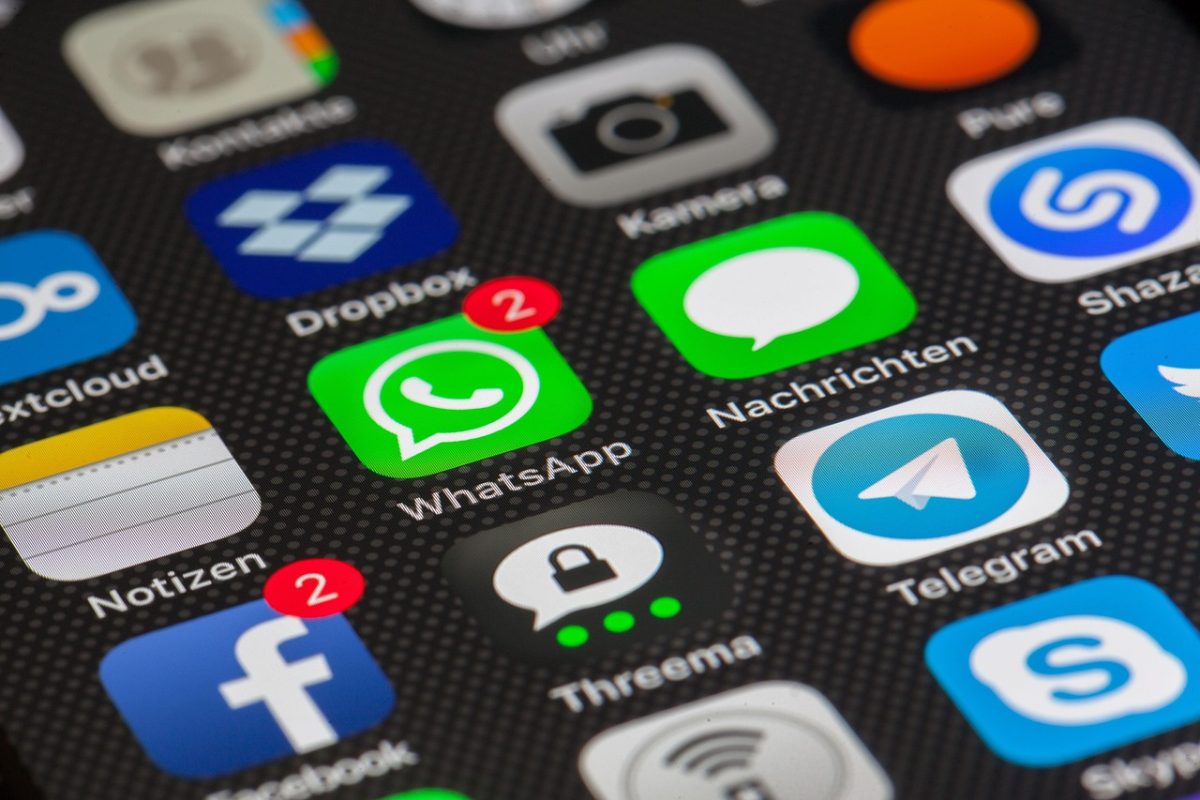
Does any of this sound familiar? You’re sitting in class, trying to focus, when suddenly your phone buzzes on the desk in front of you. It’s face down, but you can’t help but feel the urge to check it. You think to yourself, “It could be important! It will only take a second.”
You try to subtly check your phone while your professor is talking. A minute later, you’re still chatting away with your friend, sending memes and funny messages. Suddenly, it hits you that you totally zoned out and missed what your professor just said about the upcoming assignment.
You’re at your desk, working away, when you hear that familiar sound. The notification about a new comment on a photo you posted on Instagram. You can’t help but feel a little excitement as you grab your phone, wondering what someone has to say about your latest pic. You’re really not supposed to be on your phone at work, but you sneak to the bathroom so you can read it.
You’re studying for a big exam, and you feel like you need a “mental break.” You start playing an online game, thinking it will only be a few minutes. But soon, you get really into it and lose track of time. What was supposed to be a quick break turns into hours of gaming. You are completely focused on the game, and everything around you fades away.
It’s 12:30 a.m., and you’re still scrolling through videos on TikTok. You laugh at some videos and want to see what comes next. Time slips away as you stay absorbed. You meant to go to sleep earlier, but while lying in bed, you decided to check a notification, and it ended up being an hour of doomscrolling.
Many have felt this way before. Pew Research Center found that 43% of adults under age 30 get their news from TikTok. Smartphones and social media have become an integral part of our daily lives.
In a study by the Pew Research Center, 95% of teens surveyed have a smartphone, and nearly half said they were online “almost constantly.” While there are many positive features of smartphones, constant connection can affect student mental health, contributing to added stress, anxiety, and depression.
Using your smartphone late at night can really mess up your sleep. The bright screen gives off blue light, which can throw off your body’s natural sleep hormones. When you’re scrolling through social media or texting friends, your brain stays active, making it tougher to relax and actually get to sleep.
This habit can lead to tossing and turning all night and waking up feeling tired. In a study published in Chonobiology in Medicine, researchers Alam, Abbas, Sharf, and Khan found that blue light exposure from smartphones, tablets, and laptops before bedtime significantly suppresses melatonin, disrupting sleep patterns.
Having your phone out while in lectures or studying can be a distraction and affect learning, even if it isn’t in use. A meta-analysis published in Frontiers in Psychology found that just the presence of a smartphone negatively affects learning and attention.
Researchers Tanil and Yong also found that the presence of a smartphone and high phone-conscious thought affects memory learning and recall.
Frequent interruptions from phones can reduce attention span and make it harder to concentrate. Brekelle Kreiger, a sophomore at BGSU, agreed, “I never realized how distracted I was by my phone until I started leaving my phone in another room while studying. I found I could get my assignments done much faster, and I wasn’t having to re-read assigned chapters because I was able to focus better.”
Finding Digital Balance
You don’t have to disconnect from your phone completely, but it’s important to find balance and set limits for your cell phone use so you can choose when to engage, when to unplug, and when you need to put your phone away and focus on what is happening in front of you. At times, the journey of forming new habits can be a powerful motivation for personal transformation and growth.
Here are a few tips:
- Put your cell phone on do-not-disturb while in class, studying, and at work.
- Put your phone away so it’s not sitting out as a distraction.
- Check notifications in between classes, while on your break at work, and when you are done studying.
- Have phone-free zones such as at the dinner table and the bedroom.
- Have your apps shut off at a certain time to limit late-night scrolling.
- Reward yourself with game time after finishing your assignments or when your studying session is done.
- Set a timer to limit the amount of time you play.
Get started now; yes, you can do it!