







One of the biggest questions after having a stroke or being a caregiver to someone that has had one, is “what now?”
Well, the Stroke Life Center (SLC) in Toledo is one in only four centers in the United States for which offers ongoing, post-rehabilitation support that is designed to help survivors and caregivers rebuild their lives. This organization fosters independence, connection, and confidence, long after medical care has ended.
The founders, Cindy Roshon and Sue Rindskopf, are stroke survivors themselves, and they wanted to bring their vision to life that offers the kind of compassionate, long-term support they once too needed. Through this life-long journey, the program supports you through weekly support groups, physical and occupational therapy, aquatic therapy, speech therapy, art therapy, and their unique Friendship Bench program.
Most importantly, the Stroke Life Center is a free service to stroke survivors and caregivers, which removes that financial barrier that sometimes prevents recovery.
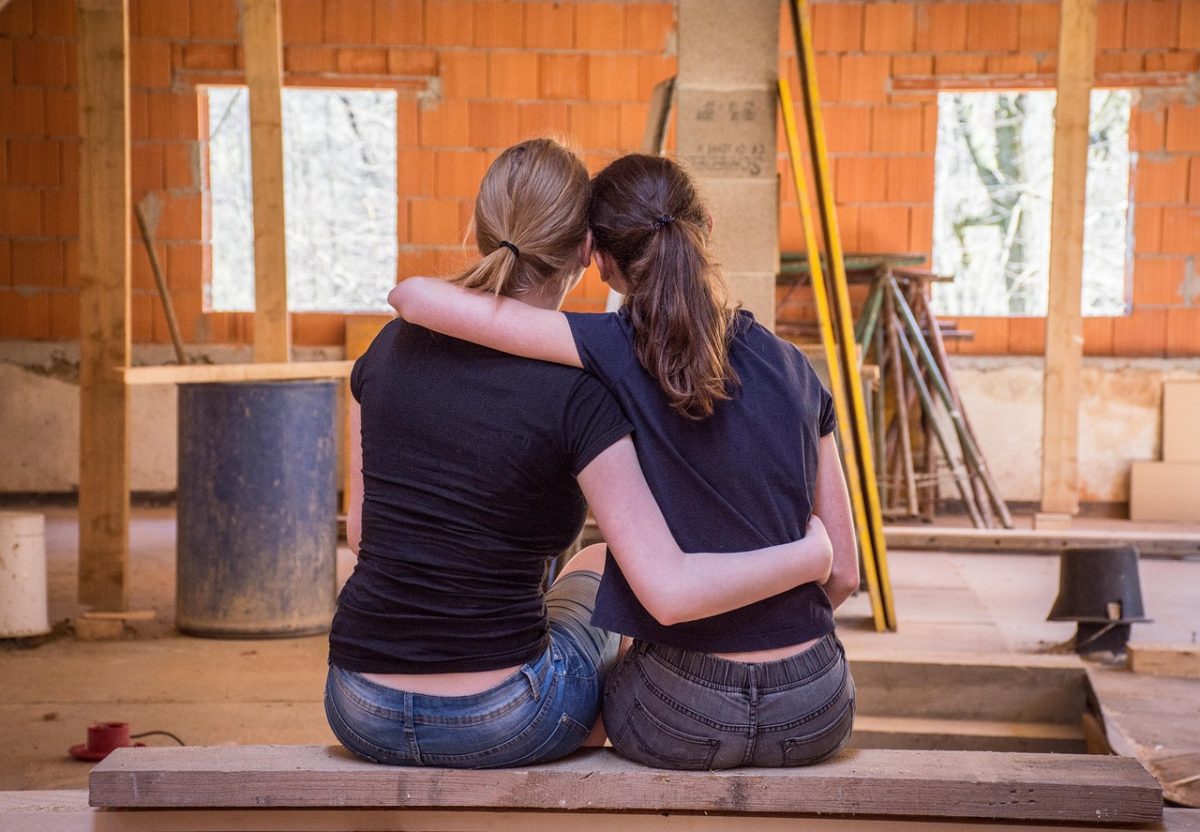
To give a better picture, their art therapy program offers a creative way to process emotions, regain fine motor skills, and a continuation of friendly connection. The Friendship Bench program is also impactful, as it encourages one-on-one conversations outside of a group that make participants feel more singularly heard.
For Candice Fullenlove, a board member of the Stroke Life Center, the importance of these programs became deeply personal.
Her late father, Kenneth Fullenlove, experienced a stroke in 2021 and had several more throughout his life. This event further pushed Candice to become involved with programs that provided meaningful support she knew others, just like her father, needed.
One event, the Euchre Tournament, was especially supportive for Fullenlove, as it helped him remain socializing while also enjoying a favorite game.
In fact, this past Euchre Tournament was dedicated to Fullenlove, as he did pass this past June. While he would never go to support groups or traditional therapy at the Stroke Life Center, you could always find him being the much-loved comedian at Euchre for the night.
Much like Fullenlove, other survivors congregate into these groups to be understood and supported throughout this journey.
One reoccurring program is the weekly support group, which assists people on topics of coping, setting goals, and building up a sense of community. Survivors often report that it helps being surrounded by people that “get it,” and they can get the needed guidance for their post-rehabilitation.
In addition to the survivors, caregivers are also able to receive vital support from the center. It is common for caregivers to struggle with burnout, isolation, or even knowing where to find better-assisting resources. This detail of the organization is a reminder that stroke recovery is not just about a singular person, but rather about an entire family/support system.
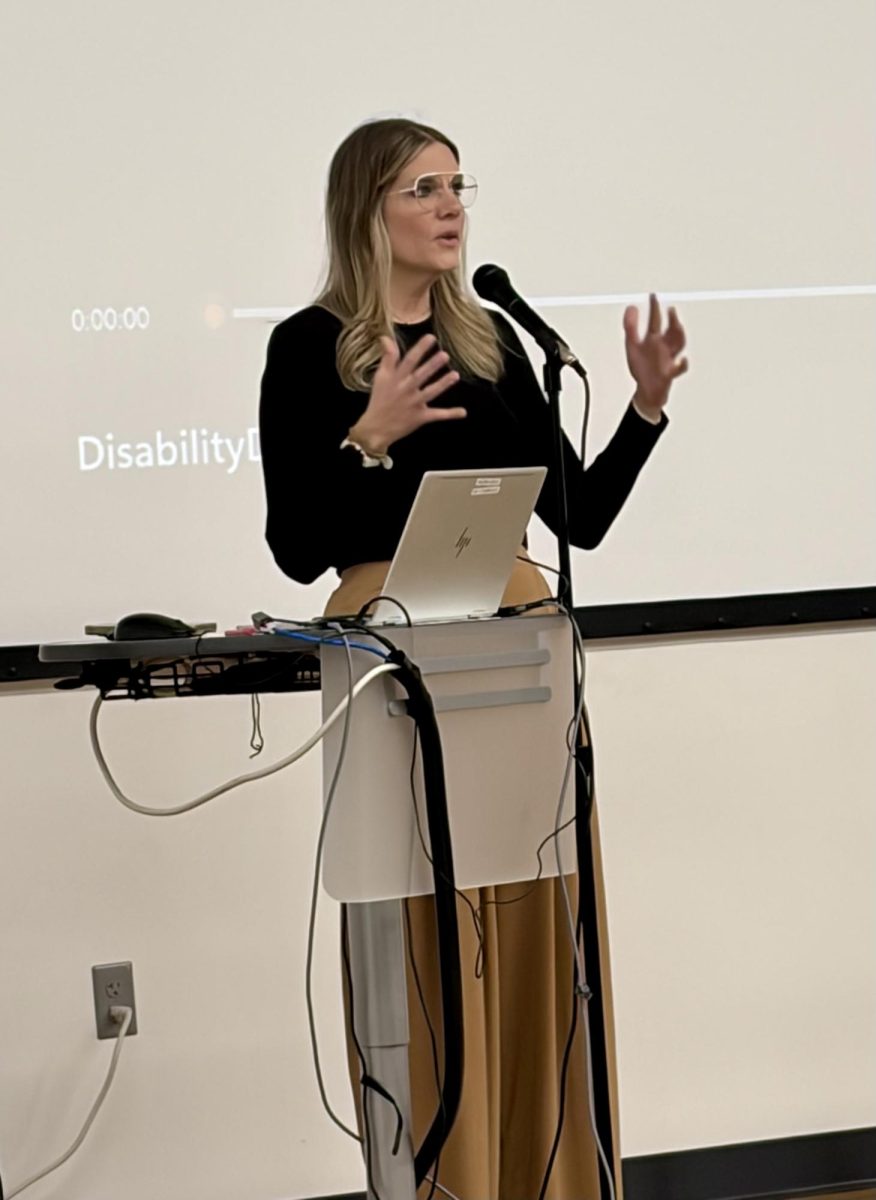
The Stroke Life Center is committed to education and advocacy. The Center works to raise awareness about lesser-known effects through workshops and community talks, such as the fact of feeling “invisible” from survivors.
Sometimes, what matters most importantly to survivors and their caregivers isn’t just therapy—it’s knowing how to navigate life after discharge, and the SLC accomplishes just that.
The Stroke Life Center empowers people with the knowledge they need to be able to advocate for themselves. When the world races ahead, stroke survivors are reminded that there is nothing wrong with healing happening one day at a time.
A multitude of opportunities are presented that connect back to the community, such as Mud Hens games or going to the Toledo Zoo as a group.
Candice explains that for a lot of these events, people leave feeling more motivated as they can once again connect to others.
One example she described was the fact of people helping each other if some have walkers or are in wheelchairs, and no one is ever left behind.
Fundraising events, such as the Thriving Like a Star Gala, help support all these programs. The raised profits go towards keeping all these vital programs free, and in the words of the SLC’s website, “100% No Fees. No Barriers. Just Support.”
The Thriving Like a Star event itself is accessible with a wheelchair-accessible venue and even vegetarian/gluten-free menu options.
Events like these help the wider community engage in meaningful connections to stroke survivors, which make donors feel a sense of connection and cause to survivors. The SLC’s tagline for the gala reads, “Every dance step supports a survivor’s next step.”
Mark your calendar for the upcoming Thriving Like a Star Gala in November. It will be an unforgettable night that includes an excellent dinner, live routine dancing, a silent auction, and of course, the proceeds will go back to supporting stroke survivors.
Come be a light for someone rebuilding their life!